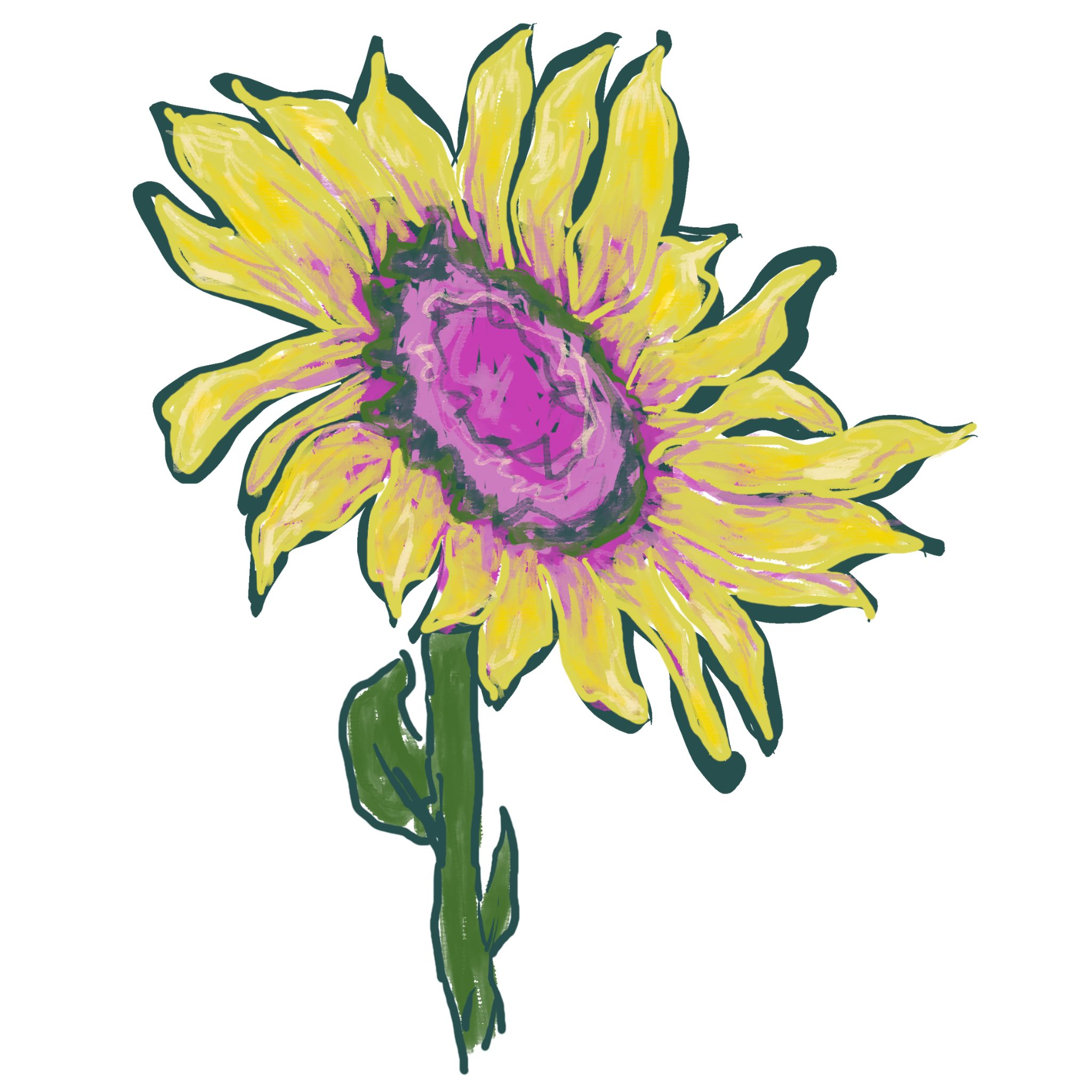
 Sunflower-made art
Autism
Autism shapes Sunflower’s color-rich perception, emotional synesthesia, sensory intensity, and art-based way of understanding the world.
Disabled and autistic artist Sunflower creates from expressions of pain and suffering, transforming them into beautiful collective memories. Their work is rooted in emotional synesthesia, meaning they feel in color and that is what they paint with.
Each painting is a memory that can be shared and connected to by the collective unconscious, because of the deeply human connection we all have to our feelings. Each piece becomes a spiritual translation of the frequency of emotion into light and color.
Sunflower’s art is a bridge from the unseen world of invisible disability into a seen world bursting with emotional color and texture. Looking at their art can remind us that even pain can be transmuted into love and passion.
Sunflower feels emotion as color, turning pain, memory, joy, grief, and tenderness into painted light.
Their art gives form to invisible disability, creating a colorful visual language for what is often unseen.
Sunflower also creates fiber art, disabled plushies, and comforting clothing from bed.
Autism shapes Sunflower’s color-rich perception, emotional synesthesia, sensory intensity, and art-based way of understanding the world.
Astigmatism influences the glowing sun rays, halos, light bursts, and radiant sparkle that appear throughout their work.
A genetic connective tissue disability causes hand and muscle instability, becoming part of Sunflower’s impressionist painting style.
Their disability is as beautiful and awe-inspiring as the pieces of art it helps create.
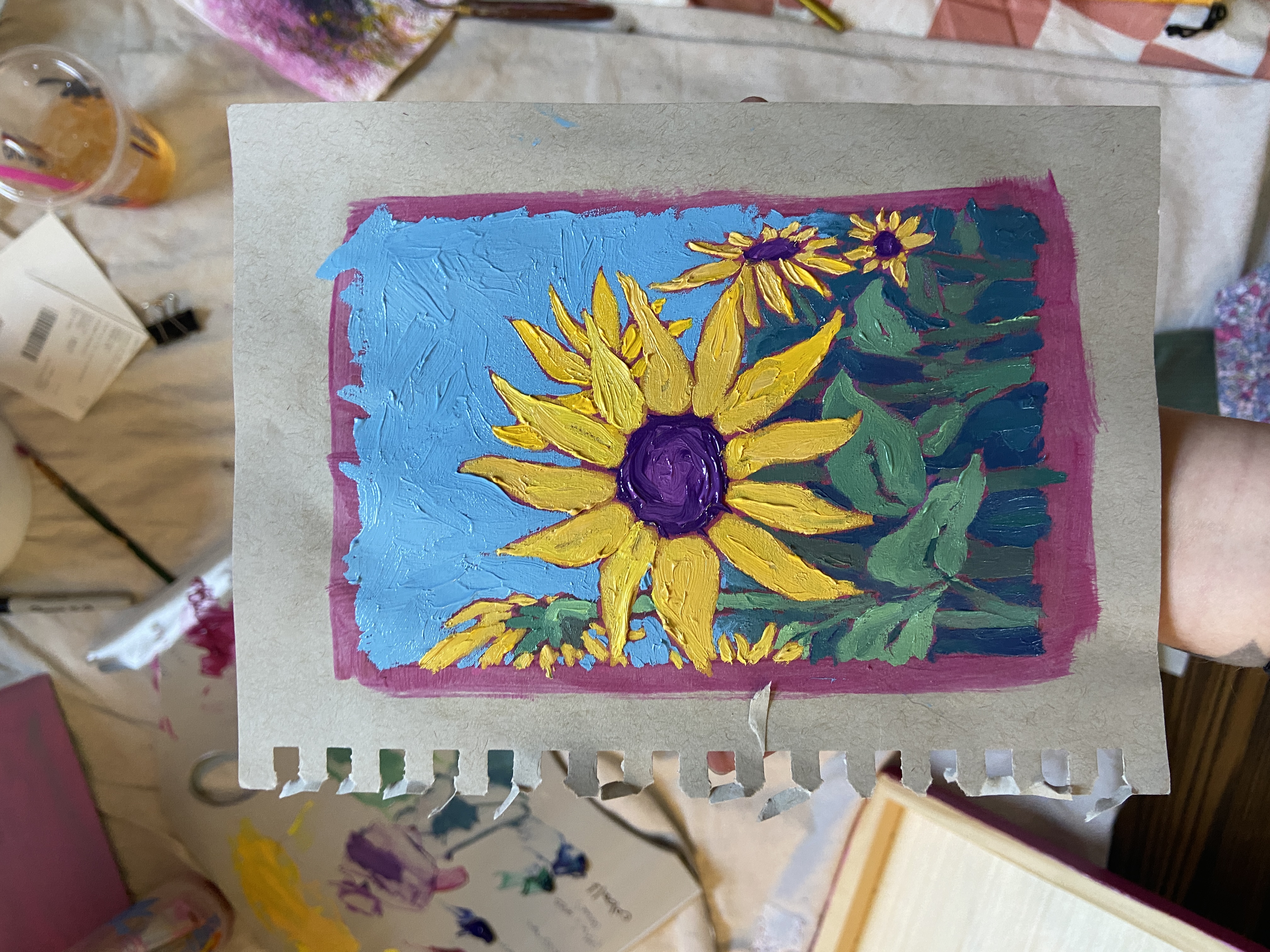
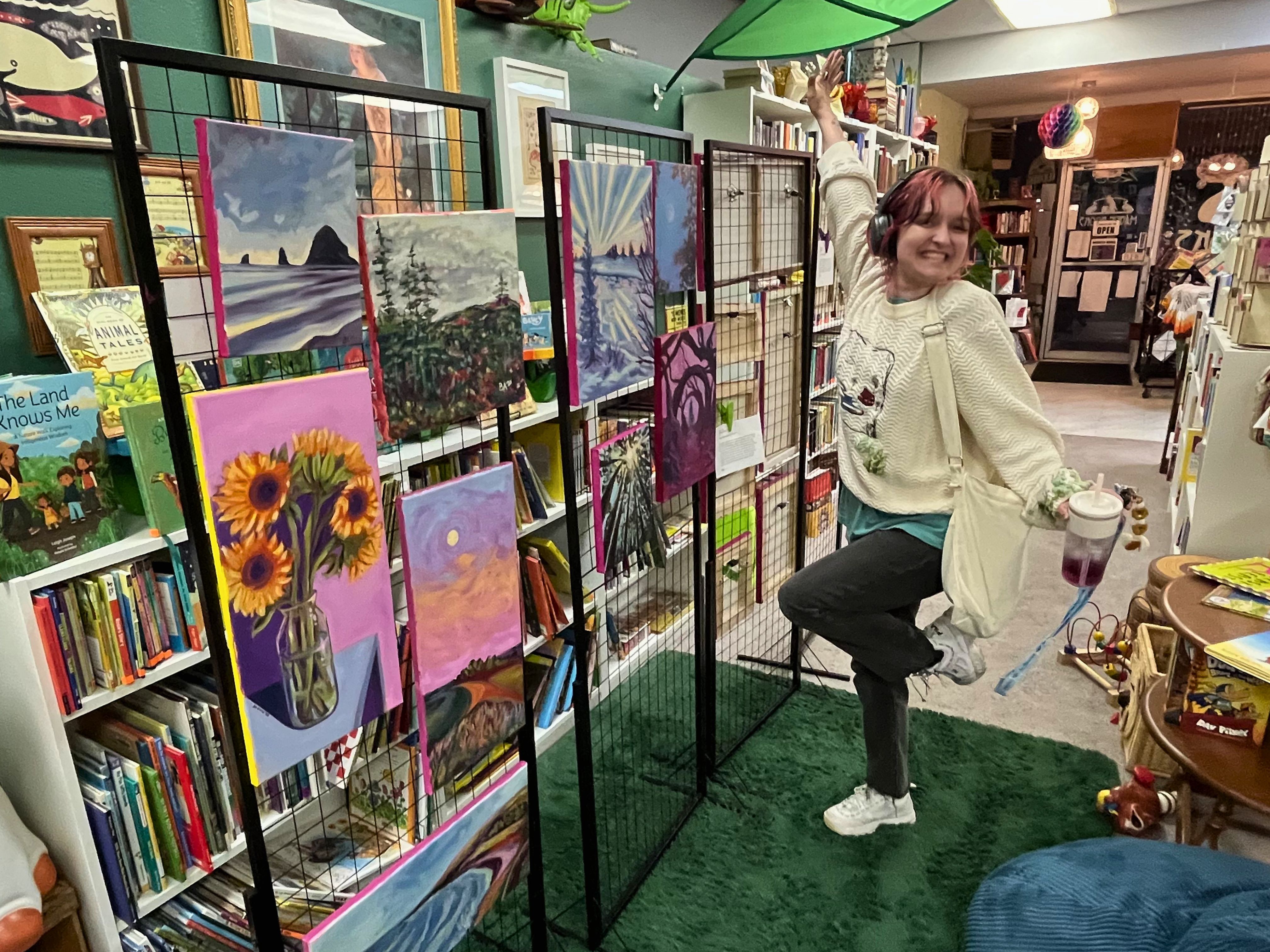
“Even pain can be transmuted into love and passion.”
Sunflower’s work reminds us that suffering does not have to remain hidden. It can become light. It can become color. It can become connection.
Sunflower also creates fiber art from their bed: disabled plushies and comforting clothing made by disabled people for disabled people and for anyone who needs softness, care, and color.
These pieces are part of the same artistic world as the paintings. They are tender, practical, emotional, and rooted in disabled creativity.
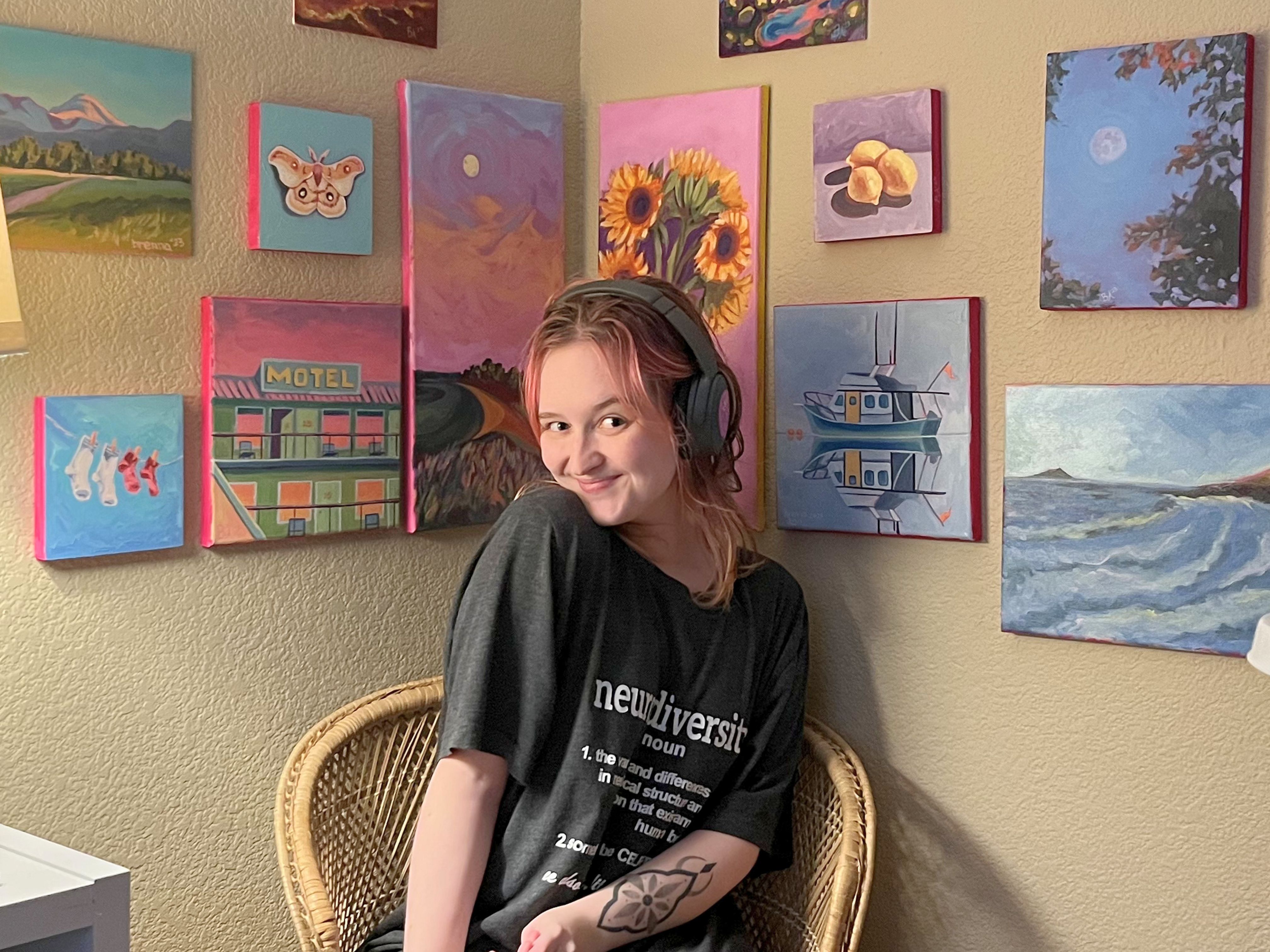
Suffering can be witnessed, transformed, and held with love instead of shame.
Disability is not separate from the art. It is part of the wonder, texture, and truth of the work.
Sunflower’s paintings invite others to recognize their own feelings in color.
Plushies, comforting clothing, tiny myths, and emotional art all live in the same pond.